
The spirit of the sponsorship between RAF sports and tlmNexus
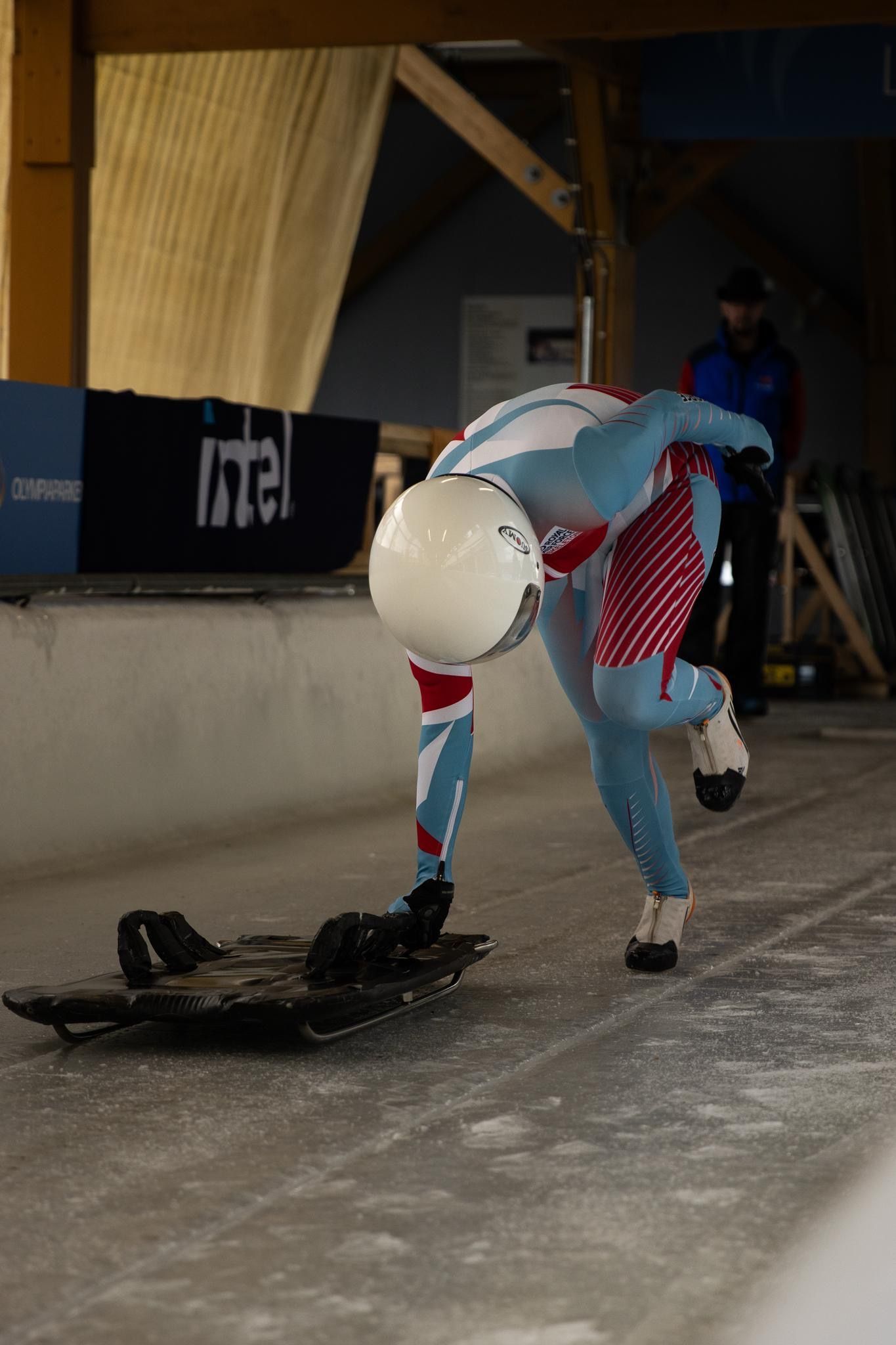
Wing Commander Lisa Mitchell, Chair of the RAF Bobsleigh, Luge and Skeleton Association (RAF BLSA), says that the best partnerships happen with sponsoring organisations who want to do much more than simply put their logo onto a sled.
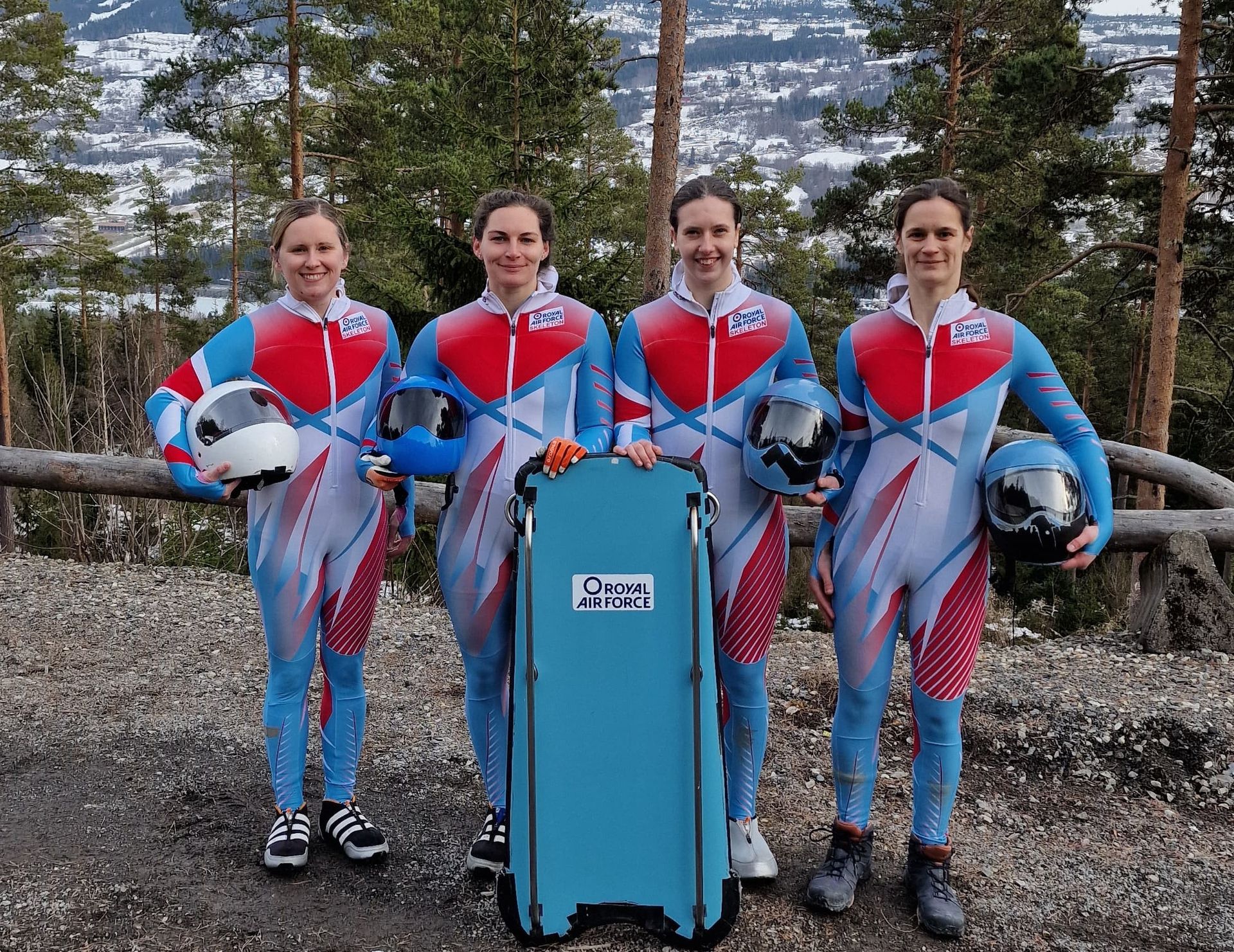
“The key is having a sponsor who is genuinely invested in what we do, and equally, we want to be invested in them,” she says. “It has to be mutually beneficial.” Her philosophy is important to the developing relationship between RAF BLSA and tlmNexus, which is sponsoring the teams during the 2026/27 season.
Turning support into opportunity
Like many Service sporting organisations, RAF BLSA receives central funding, but there are limits to what that funding can cover.
Additional sponsorship enables the Association to give athletes more opportunities to train and compete, from complete beginners taking their first steps in the sport through to experienced competitors performing at the highest level.
Wg Cdr Micthell is equally interested in what that investment can do away from the start line.
“It allows us to develop people more quickly,” she explains. “That might mean additional coaching, safety staff, refining existing skills or developing people into coaches themselves.”
Traditionally, becoming an experienced coach might take three or four years, but with additional access to training and out-of-season development, RAF BLSA can accelerate this journey and give emerging coaches the confidence to operate at increasingly demanding levels.
“The more coaches I have, the better,” says Wg Cdr Mitchell. “Some of our coaches will eventually move onto the core committee and help us to meet our objectives, strategy and vision going forward.”
Not everyone who contributes to that future has necessarily competed in the sport. Wg Cdr Mitchell cites members of the committee who have never been athletes but who are passionate about the benefits the Association delivers and want to contribute their own experience.
That diversity of skills is, in itself, part of what makes RAF BLSA such an interesting partner for tlmNexus.
An untapped resource
Asked what a business such as tlmNexus can gain from the relationship beyond brand visibility, Wg Cdr Mitchell is unequivocal.
“The immediate opportunity is access to what is effectively an untapped resource,” she says.
Across RAF BLSA are people of different ages, professional backgrounds and career stages: athletes, engineers, managers and leaders with expertise built in demanding operational environments.
“There are phenomenal leaders and managers at different stages of their careers,” says Wg Cdr Mitchell. “There are opportunities for mentorship and also for reverse mentoring through sponsorship engagements.”
She points to RAF BLSA Bobsleigh manager Sgt John Stanbridge as an example of how involvement in the sport can evolve. Sgt Stanbridge began as an individually self-sponsored athlete. He could eventually have walked away having achieved his own sporting ambitions. Instead, Wg Cdr Mitchell says, his response was to acknowledge how much the sport has given him, by giving back. Today Sgt Stanbridge continues to give generous amounts of his time in supporting the Association while also holding a senior RAF capability role.
The principle of giving back runs strongly throughout RAF BLSA, and also creates opportunities for sponsors and partners to become more closely involved through networking, UK and overseas events, meeting the athletes and experiencing the sports first-hand.
This last opportunity should not be underestimated. “You can't just turn up at a bobsleigh track and jump in,” Wg Cdr Mitchell says. “Being given the opportunity to experience it is quite special.”
For some, one run is enough. “They come down and say, ‘Yes, that was great, but it’s not for me.’ Others finish and immediately say, ‘I'm hooked — how can I do more?’”
Discovering much more of your capabilities
Wg Cdr Mitchell understands very well the feeling of being hooked. She first tried Skeleton around 12 years ago. By the end of the first day, she was captivated and has progressed from tentative beginner to athlete, leader and now Chair of the Association.
She has also tried Alpine luge, a less familiar discipline in the UK, although widely practised across Europe, and what fascinates her is what these sports reveal about people. “They push you a long way outside your comfort zone,” she says. “You learn an enormous amount about yourself.”
Last season, members of the Latvian Defence Force spent time training with RAF BLSA. They did not have an equivalent team structure but had athletes interested in experiencing the sport and learning how the RAF runs its programme.
Within five days, Wg Cdr Mitchell says, it is possible to take somebody who has never seen a skeleton sled before and help them progress towards completing a full run. The change can be extraordinary.
“If you take a stock check on day one, day three and day five, you see people pushing themselves harder and harder,” she says.
Resilience, persistence and sheer determination
It is here that Wg Cdr Mitchell sees a particularly strong connection between RAFBLSA and tlmNexus. In both organisations, resilience and persistence are fundamental to success.
“Very few people turn up on day one and are naturally gifted,” she says. “There are so many aspects that require discipline, practice and huge effort.”
The mental challenge can be as demanding as the physical one. A run may feel excellent yet prove to be a second slower than a previous attempt, yet there is rarely time to dwell on disappointment. Athletes have to understand what happened, reset and perform again.
“You have to pick yourself back up, dust yourself off and start all over again,” says Wg Cdr Mitchell.
Although athletes compete individually, RAF BLSA is intensely team-focused.
People naturally want to know where they were placed, but Wg Cdr Mitchell says that there is often greater pride attached to the collective team performance. “It requires every individual to perform, but you also need to pick the other person up. There is sheer, utter gut determination.”
She sees those qualities developing from the very first novice session. “At the beginning, people sometimes can't compute how they are going to do it. Then you watch the change over a few days.
“You see individual grit and determination overcoming fear. In some ways, the more you understand the sport, the more you realise what there is to fear. You understand what can go wrong and how much it can hurt.
“But you learn to depend upon yourself and upon your team in ways you perhaps didn't think were possible.”
Building people who thrive under pressure
Wg Cdr Mitchell says this personal development has significance far beyond sporting performance. “Ultimately, we are war fighters first,” she says, “and the Association aims to develop people who are even more capable, agile and able to operate confidently under pressure.
The Association values include integrity, fair play and respect, as well as a strong sense of community and the confidence to speak up when something is wrong.”
Inclusion is equally important. RAF BLSA has worked with Battle Back, which supports wounded, injured and sick Service personnel, including people competing and training with life-changing injuries. “Equal opportunity is vital,” Wg Cdr Mitchell says. “It is about leadership, character and confidence, and the ability to thrive under pressure.”
There is evidence that those benefits translate back into Service careers, with a significant number of people involved with RAF BLSA, across a variety of roles, progressing and being promoted. Wg Cdr Mitchell herself has recently been promoted from Squadron Leader.
Sport alone cannot of course claim the credit for those career successes, but Wg Cdr Mitchell believes that the leadership, resilience, confidence and responsibility developed within the Association make an important contribution.
Where the partnership could go next
For Wg Cdr Mitchell, a successful relationship with tlmNexus over the next two or three years would go considerably beyond funding. “I would like us to enhance the relationship further,” she says. “I would really like us to work together and take mutual lessons learned from each other. There may be things tlmNexus sees where they can offer us advice, and equally things within our environment that are valuable to them. “Even coming together once a year for mutual training days, whether that's around sport or developing and upskilling people, would be fantastic.”
Both organisations operate in environments where teamwork, trust, technical expertise, resilience and the ability to perform under pressure matter.
And surely that is where the most valuable partnerships begin: not with what one organisation can give another, but with what they can learn, experience and achieve together.