
How maintaining aircraft on the military front line led to shaping how digital systems are used across Defence.
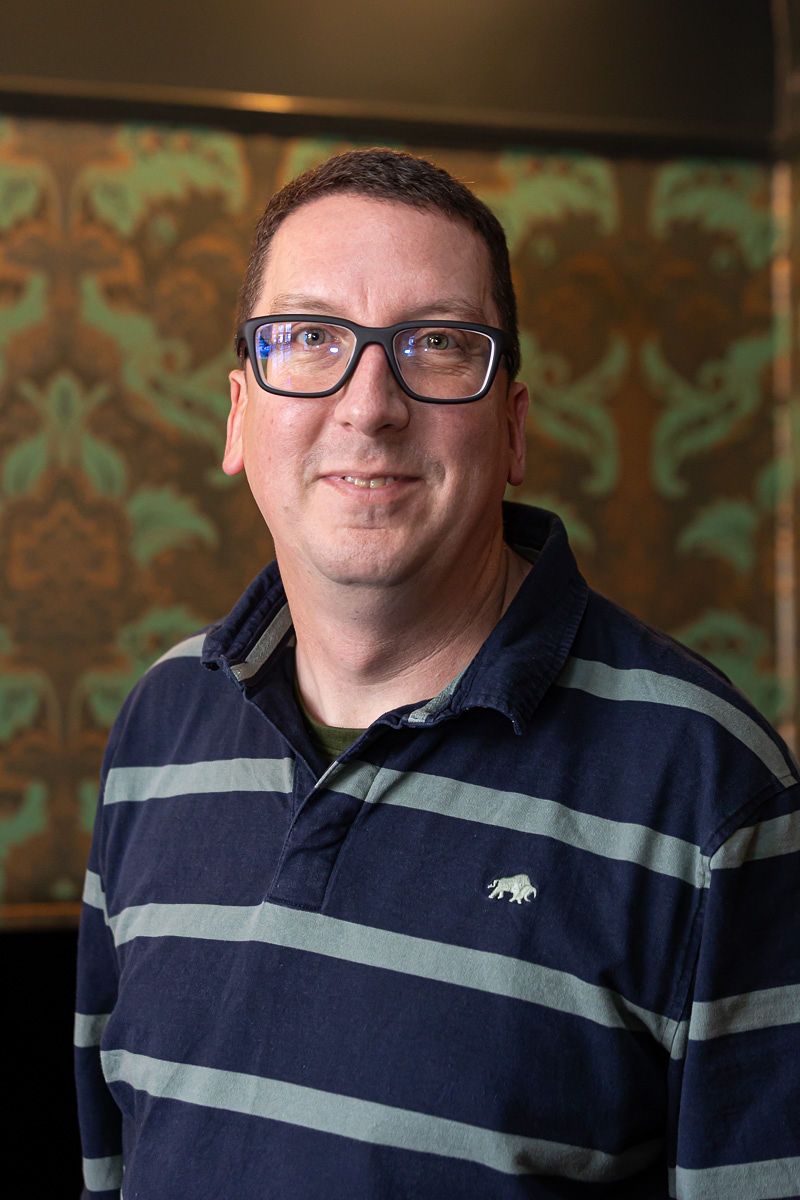
Mark Beacham, Customer Integration Engineer at tlmNexus talks about trust, change and making systems work.
After 25 years in the Army, Mark Beacham knows what it means to work in environments where accuracy, trust and clarity really matter.
Starting his career as an aircraft maintenance engineer working on Lynx and Gazelle helicopters, Mark progressed steadily, leaving the service as a Warrant Officer in an Engineering Management role. Along the way, he worked across a wide range of platforms, from Apache and Wildcat helicopters to Islander and Defender fixed-wing aircraft, and was part of the Attack Helicopter Transition Team responsible for bringing the new Apache eModel into service.
Today, as a Customer Integration Engineer at tlmNexus, Mark sits at the vital intersection between customers, developers and delivery teams, shaping systems around operational experience, not trying to force people to work around technology.
‘The customer inside the company’
Mark sees himself as more than a customer advocate; he’s almost a customer based inside tlmNexus:
“From my experience in the customer domain, I understand the regulatory frameworks our customers must operate to, and the environments they work in,” he explains. “I bring this knowledge into the company and make sure what we deliver are systems that help people to do an even more effective job more easily.”
It is about ensuring alignment between policy, process, technology and people.
He works closely with analysts and developers, attends sprint demos, supports early-life delivery, and remains involved long after a system goes live, channelling customer feedback back into the development process.
“I sit across three areas at once,” he says. “It’s an overwatch role making sure things are done correctly and in line with policy.”
Managing change in a constantly shifting environment
Much of Mark’s work centres around the tlmNexus Resolve toolkit, an evergreen system used across the UK Armed Forces on more than 25 different aircraft types. While the software remains the same, how it is used varies significantly between services, platforms and DT’s (delivery teams).
“An RAF team may use Resolve very differently from how an Army or Navy team uses it,” Mark explains. “Then, within those different segments, each DT has its own way of doing business.”
Regulatory change is a constant drumbeat. Policies set by the Military Aviation Authority (MAA) evolve regularly, and tlmNexus’ systems must evolve with them.
“We say our product is evergreen and we mean it,” he says. “When policy changes, the toolkit changes too.”
This requires deep domain knowledge, careful triage and a strong sense of proportion. Not every request for change is urgent or, in the greater scheme of things, worthwhile.
“We look at value. Is this change going to help the whole community, or just one user? Is it a ‘priority one’ compliance issue, or a ‘nice to have’?”
Mark plays a key role in triaging change requests, helping decide where investment delivers the biggest return.
When small changes make a big difference
For Mark, the most satisfying moments come when relatively simple changes have a meaningful operational impact. He recalls a recent update to how technical publication changes are managed, ensuring that when a procedure is updated and approved, the right people are notified automatically.
“It means the maintainer at the front line knows they’re working with the most up-to-date, correct information,” he says. “That reduces risk and improves safety. That’s what it’s all about.” These changes don’t always make headlines, but they matter deeply.
The human side of integration
Mark is clear that communication is as important as technical expertise in his role.
“Maintaining good customer relationships is fundamental,” he says. “Regular engagement, update meetings, training, looking at how tools are actually being used; all of these are central to how we help customers get real value.”
Return on investment, he explains, isn’t just about functionality. It’s about adoption.
“If the tool becomes ingrained in how people do their work, they’ll keep coming back with ideas. That’s where the best innovation comes from; working together.”
Internally, Mark often acts as a bridge, bringing developers and analysts into conversations with customers when needed, ensuring nothing is lost in translation.
Finding the right fit at tlmNexus
Mark joined tlmNexus after leaving the Army and found it helped him in rebalancing priorities.
“With two young children, I wanted to be closer to home,” he says. “I’d missed too many milestones.”
Having already worked closely with Resolve in his final Army role, the move felt natural. Several tlmNexus colleagues knew him well and encouraged him to apply. “It was a perfect fit,” he smiles.
The culture resonated immediately. “There are a lot of ex-service people here. The values align; getting best value, doing things properly, supporting the customer. It feels familiar in a good way.”
Making time to breathe
One of the biggest adjustments Mark has made is learning to temper the military instinct to push ever harder.
“I came in with a mindset that told me to work all hours, get it done now,” he says. “That was how I was trained.”
At tlmNexus, he found something different. “There’s flexibility. Trust. You can take your kids to nursery. You can put something down and come back to it later. That was a breath of fresh air; but I still have that ‘never give up’ mentality.”
What you may not know about Mark - a mindset reflected on the mountains
Outside work, Mark’s resilience is channelled into cycling. He is a member of the Club des Cinglés du Mont Ventoux, having completed the formidable challenge of climbing the mountain three times in one day via all three of its routes.
“It’s about mental strength,” he says, “putting yourself somewhere else mentally and getting through it.”
That resilience still serves him, now with a healthy balance.
Why Mark’s role really matters
In the final analysis, Mark’s role is about judgement. He explains: “Knowing when to say yes. Knowing when to say ‘not yet’. Knowing when the juice isn’t worth the squeeze.”
It’s that calm, experienced decision-making, grounded in true operational understanding, that makes customer integration such a critical function at tlmNexus.
And for Mark, the reward is simple. “When the customer is happier, more efficient, and safer because of what we’ve delivered — that’s the warm fuzzy feeling. That’s the point.”